

boundaries as a privilege
self-care as social justice

For approximately nine months, you were a part of your mother - we start with confused boundaries 😂! Where do I begin and end? Where does someone else begin and end?
This is where co-dependency can begin - overlap that’s not healthy. If you’re lucky, your parents helped build your confidence to be a separate, opinionated human being.
But, maybe you did not experience this. Childhood, innately, involves other people constantly (or frequently) telling you what to do, not do, who to be, not be.
No wonder some of us struggle with trusting ourselves and practicing a part of self-care called “setting boundaries.”
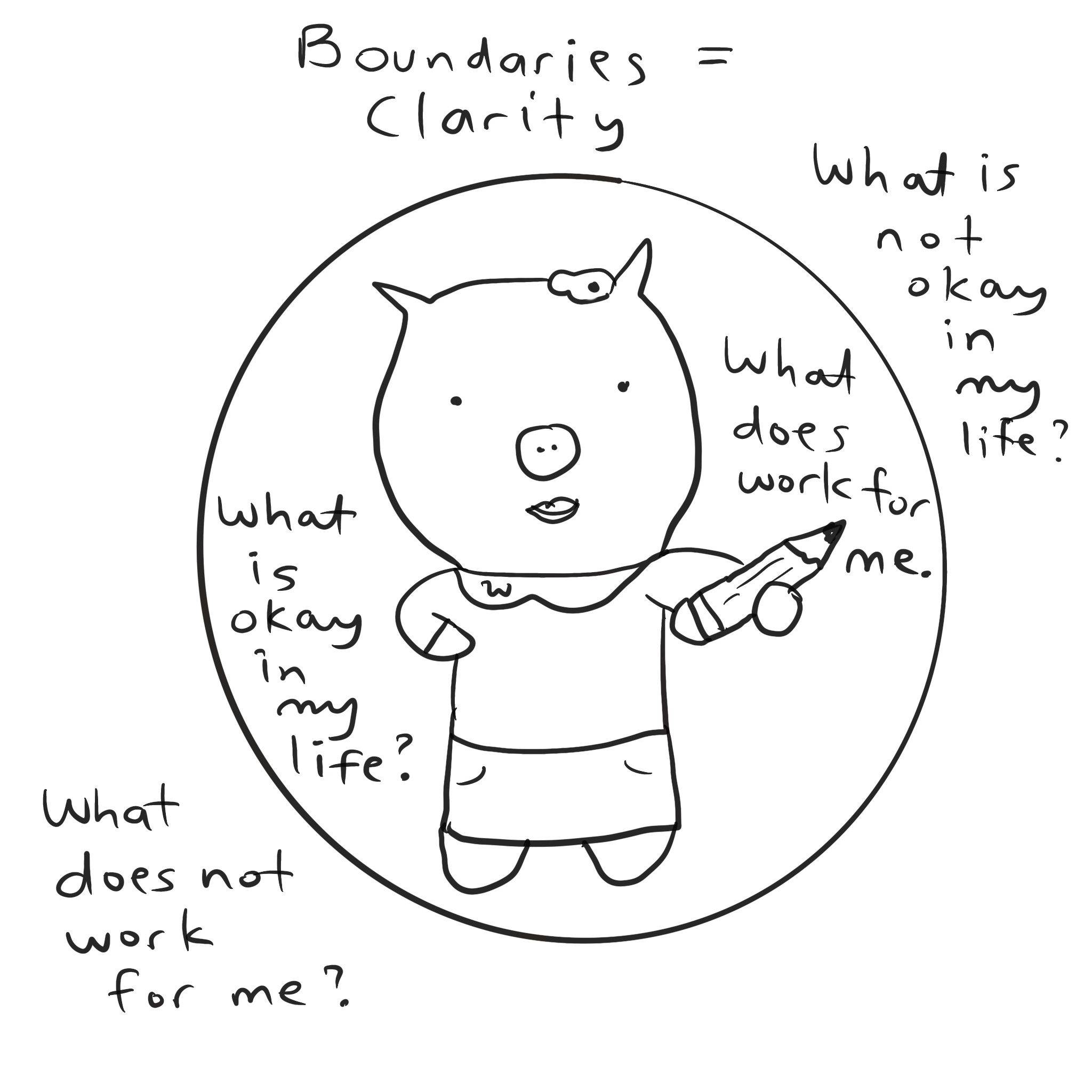
At its core, setting boundaries is about drawing a big circle around yourself and writing inside the circle:
What is okay in my life? What works for me? What do I want more of?”
And then writing outside of the circle:
What is not okay in my life? What does not work for me? What do I want less of or none of?
Boundary setting is also manners and the Golden Rule. “Do unto others as you would have them do unto you.” Wouldn’t you like someone to tell you what their boundaries are? What’s okay with them and what’s not okay…
(If you say No, schedule a session with me pronto 😉😂)
When others are clear of what is okay and not okay with them, then you are more likely to have meaningful intimacy and connection = because you REALLY know them - not who they are pretending to be.
Since I’ve worked as a therapist for 27 years, the subject of boundaries has come up A LOT. But it’s only been since reading the book “Decolonizing Therapy” that I’ve had awareness of: boundaries as part of being privileged AND also part of social justice.
As a person living in a white-skinned body, there’s no doubt that I can set boundaries easier than my brown-skinned friends. But being female, I may not be able to set boundaries with the same ease as white males. I’m not saying this as a blanket statement, but as a tendency. And, a reminder that many people do not have the privilege of setting boundaries because of their skin color and/or gender.
We don’t have to look far to see in the political realm how privilege allows boundaries to be violated with ease - the Epstein files, Gaza, arresting immigrants, ongoing racism, and sexism that still exists. Many victims who have not been able to set boundaries due to their lack of privilege.
If you are being persecuted, then setting a boundary > which is letting someone know what behavior is okay to you and what is not > is still a dream… maybe a very far off dream.
When you were young, it was pretty impossible to set boundaries. With some exceptions, most adults don’t listen to kids or care about their boundaries (tell me if I’m wrong?). Part of being a kid means you are stuck - in your family of origin and what they believe, your classroom, your schoolbus, other people’s rules, society’s beliefs and rules…
Kids and marginalized people cannot set boundaries easily. But having clarity about boundaries can still be a problem -even for those who would seemingly be able to set boundaries with more ease.
Part of growing up, healing, and creating more justice in the world for all - means having increased awareness of your own boundaries and the boundaries others deserve too.
Getting older and wiser means you can now leave the realm of other people deciding what is okay and not okay FOR YOU and you getting to set your own boundaries by saying “Heck no!” when something is not working for you.
You can also choose as an adult (more often at least) who you let into your world and who you do not. Here’s a tip: You want more people who respect you and you don’t even need to set boundaries with. And also understandig that only family gets a (maybe) pass at violating your boundaries - and even that can have its limits.
Whether today you are in an environment that feels safe and easy to set boundaries OR you are not > it’s important to know »> you deserve to have some control over your world!
One of my early post-college jobs was working in a domestic violence shelter in Columbia, South Carolina. Staff there shared the statistics of how it took a woman 7 times to leave an abusive situation for good. Meaning she would: leave and go back, leave and go back, leave and go back, leave and go back, leave and go back, leave and go back, leave and go back before she left, period.
If you are being emotionally or physically abused, leaving that situation is setting a boundary. But it’s hard… you get emotionally weakened and have limited resources and also doubt yourself and also wonder if maybe you are the problem and also think you might deserve what is happening and also believe your abuser will change > and then you soften your boundary and return.
Even if you are not in a domestic violence situation, this pattern of taking multiple times to try to change before you actually do change is common. That’s why doing your healing emotional work is so important.
You need to believe you have worth and that you deserve certain behaviors and types of people in your life - respectful, mutually caring, loving.
In “The Four Agreements,” Don Miguel Ruiz talks about how you will put up with any behavior to the point you think we deserve it. Only when it goes over that point, do you decide to do something about it.
Maybe this is why women in domestic violence situations often leave when the abusers’ outrage turns to the children - they don’t believe their children deserve this hurt… even if they’re not sure whether or not they do.
At a time when we see our President being abusive, this is confusing for your personal boundaries too. As an ndividual it feels impossible to say “No, you cannot (Insert many wrongs here)!” This is because our nation’s leader does not care what you think and will do what he wants and apparently get away with it too - at least so far.
Having this kind of macro-violence can make your own struggle to set personal boundaries harder. Will it matter anyway? People who are mean can say whatever they want » and yet you cannot say anything back without more problems. This is a tough one. Mean people seem very good at setting boundaries.
But in your life, it’s so important to get clear that you deserve to be treated well, to be heard, to be valued. Here’s the truth though: other people do not have to respect your boundaries. Here’s another truth: you do not have to include them in your life - or at least you can greatly dial them back.
For the most part, if you have to twist someone’s arm to honor your boundaries, the question is “Why are you bothering?” To be fair, some people may take some convincing and effort > but they will turn around and eventually see the light. But if someone is not responding to your needs and requests consistently, maybe it’s time to dig deep and let go - or at least greatly downsize them in presence.
When setting boundaries, it helps to make it about you. Instead of criticizing or nagging, say what you need. Many of us feel uncomfortable making things about ourselves - like using the “I” word. “I need…” “I prefer…”
But it’s so helpful because you deserve to say what’s important to you and no one can argue with that.
Whereas starting with a “You” statement will immediately land as criticism and walls will go up - making it a tougher conversation. And we are trying to make it easier for you here.
Learning about yourself means learning when to set a boundary and how to do it effectively. It’s part of self-care and self-esteem. Here’s an old drawing I recently found -
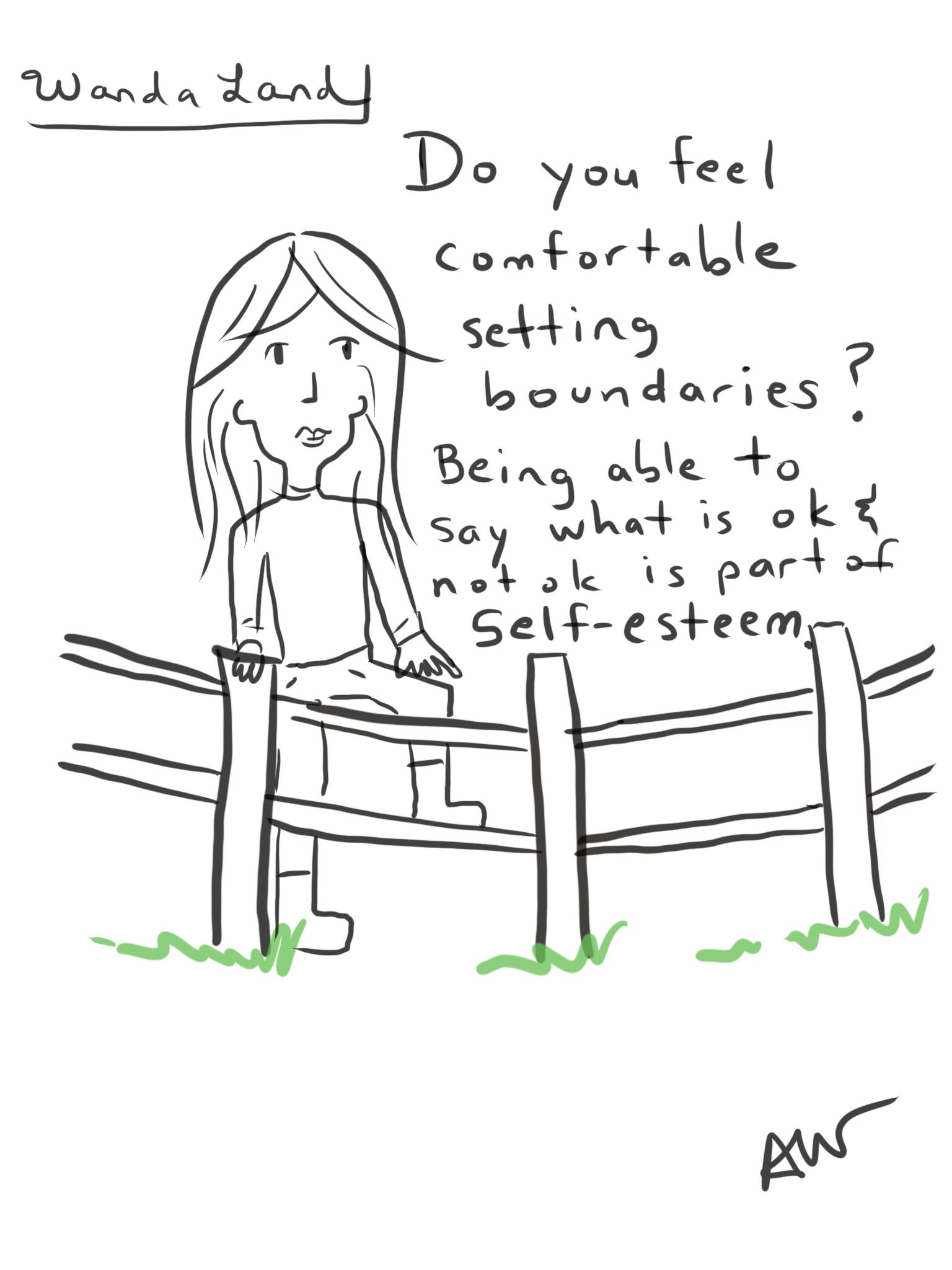
Even if you struggle with speaking up, just knowing what is okay to you and what is not okay is a first step. If you are clear of what is okay and not okay to you - even if you can’t act on it at the moment > there’s hope!! It’s a start.
Whether you go to therapy, read a self-help book, talk to a safe and trusted friend or just build your overall confidence by practicing yoga > there are many paths to strengthen your ability to speak up.
It helps to also give yourself grace that some people are hard to speak up to. Not everyone has the ability or willingness to listen to you and have the emotional maturity to handle your request. This can make it harder to say something - especially if you have people pleasing and accomodating tendencies. But you can do it and must!
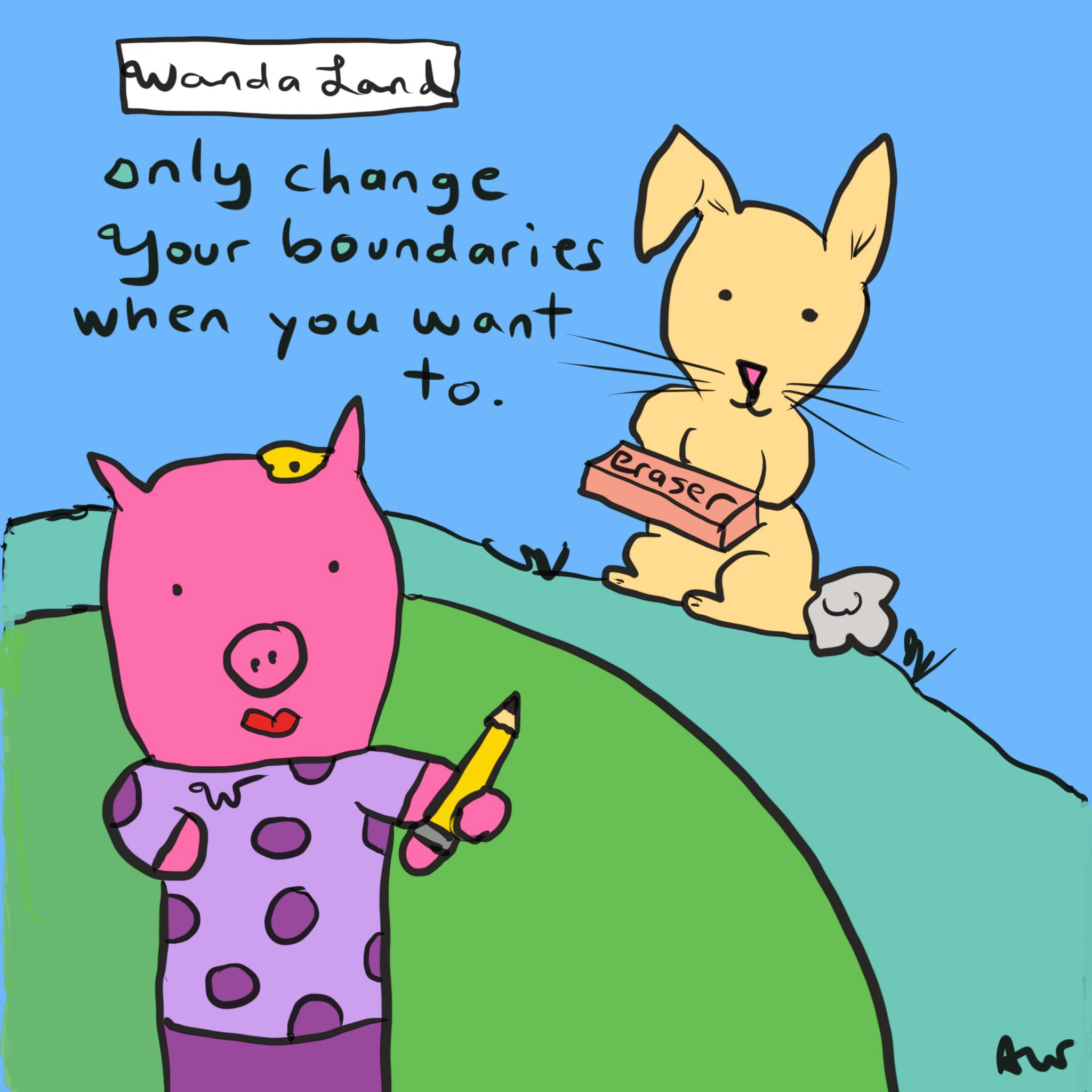
Remember, you can change your boundaries too - learning new ways to be in this world is a growth process and not a one time thing. Be patient and kind to yourself as your create more spaciousness in your life.
So many people in the world right at this very minute are not able to set the boundaries they want to and need to. They are under too much oppression. (And gosh, I haven’t even talked about animals yet).
Remembering that you have more power to create change than many do is not about feeling guilty, but instead feeling grateful and empowered. When you speak up for yourself > you help a woman in painful circumstances somewhere else in the world who really cannot speak up right now.
Your personal silence does not help you or anyone. Your voice for yourself helps you and advances the cause of everyone to be heard and respected! And we need more of that, a lot more!
This was excellent! I'm going to forward it to some people.
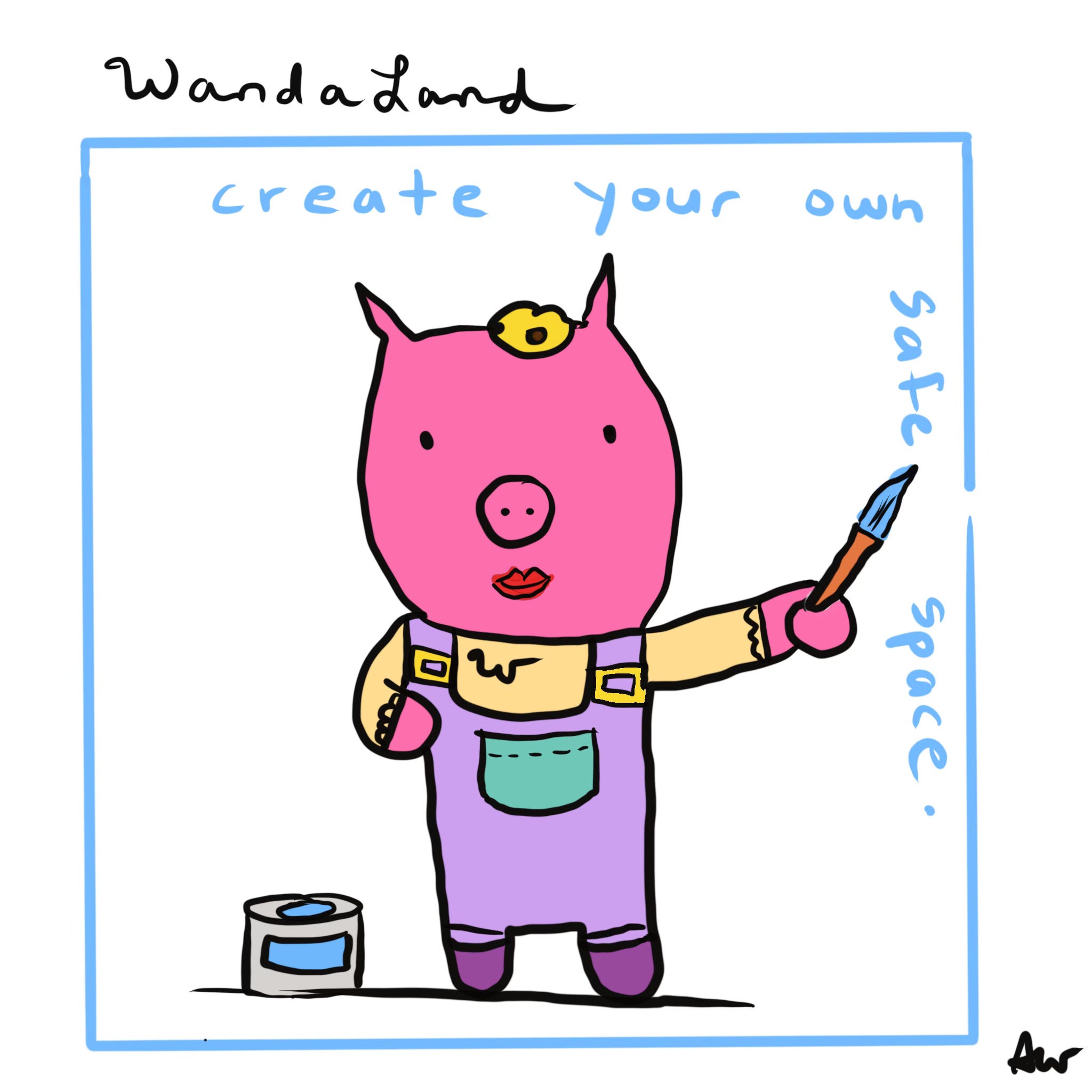
I think of my safe space as my garden.